Introduction
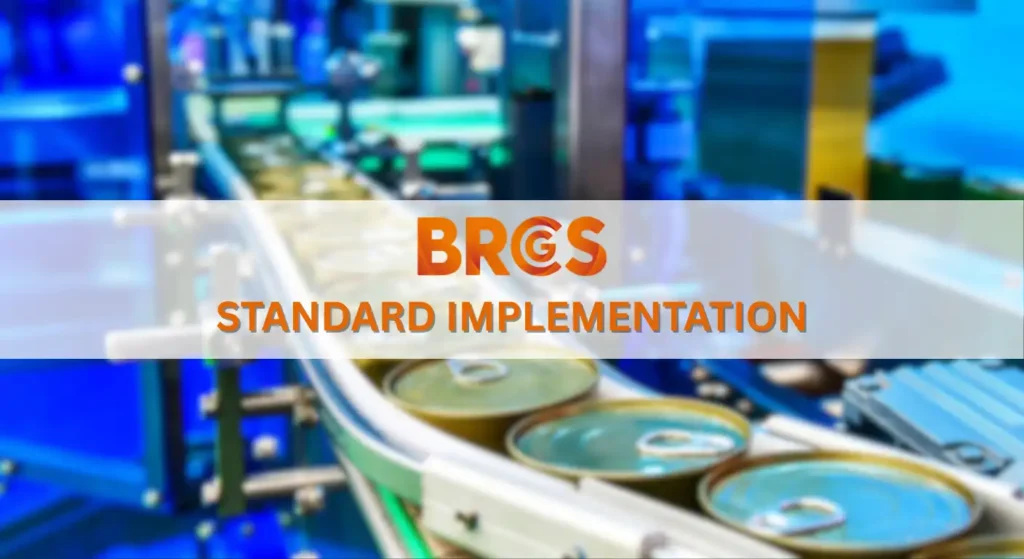
Global food and packaging industries operate under increasing pressure to deliver safe, consistent, high quality and traceable products. With consumers demanding transparency, retailers enforcing strict supplier requirements and global markets expecting internationally recognised certifications, organisations today must adopt robust systems that demonstrate full control over safety and quality.
The BRCGS standard has become one of the most trusted frameworks for food, packaging and FMCG sectors across the world. It helps companies build strong systems, reduce risks, improve hygiene, strengthen culture and meet global buyer expectations. Major retailers, international buyers and private labels often make BRCGS certification mandatory before considering any supplier.
Emaza Services Pvt. Ltd. provides end to end BRCGS implementation support including gap assessments, internal audits, documentation development, training, risk assessments, plant design recommendations and audit preparation. With expertise across twenty countries and more than six hundred projects, Emaza helps organisations achieve BRCGS compliance with confidence.
This guide provides a deep insight into how BRCGS works, its key requirements, its impact on business performance and how organisations can achieve successful implementation.
Understanding BRCGS and Why It Matters
BRCGS British Retail Consortium Global Standard is an internationally recognised framework for managing food safety, quality and operational integrity. It is accepted by the Global Food Safety Initiative and is one of the most widely adopted standards globally.
Key sectors covered
- Food manufacturing
- Food packaging
- Storage and distribution
- Consumer products
- Retail
- Agents and brokers
Why BRCGS Is Important
BRCGS provides a strong system based approach that ensures safe products, controlled processes, strong documentation and consistent quality.
Key reasons companies prefer BRCGS
- Recognised by major retailers and international buyers
- Higher acceptance in global supply chains
- Strong focus on food safety culture
- Comprehensive requirements for hygiene and environment
- Risk based and preventive approach
- Supports supplier management and traceability
- Increases customer confidence and brand credibility
For organisations planning exports or working with multinational brands, BRCGS certification gives a strong competitive advantage.
Key Principles of BRCGS Standards
Understanding the foundation of the standard helps in proper implementation.
1. Commitment from Senior Management
Strong leadership ensures resources, training, communication and system maturity.
2. Hazard and Risk Analysis
A structured HACCP based approach identifies and controls food safety hazards.
3. Strong Quality Management System
Documentation, records, validations and verifications form the backbone of BRCGS compliance.
4. Hygiene and Housekeeping
High standards of cleaning, sanitation and facility maintenance ensure safety.
5. Site Standards5. Site Standards
Infrastructure, layout, zoning, equipment and utilities must support hygienic operations.
6. Product Control
Allergen control, testing, validation and verification ensure product consistency.
7. Process Control
Monitoring, CCP management, calibration and process discipline prevent deviations.
8. Personnel Competence
Trained and responsible employees ensure safe handling and consistent processes.
BRCGS vs ISO 22000
A Quick Comparison
| Feature | BRCGS | ISO 22000 |
| Recognition | Highly accepted by global retailers | Accepted globally but retailer preference varies |
| Focus | Food safety, quality and supplier requirements | Food safety management |
| Structure | Detailed clauses and prescriptive requirements | Flexible and management system based |
| Inspection Style | Very detailed with strict scoring | System focused with less prescriptive checks |
| Supply Chain Controls | Strong supplier and raw material controls | Supplier control but not retailer specific |
| Product Management | Strong allergen and product integrity focus | Less prescriptive in product detail |
Many organisations implement both standards to achieve a strong and comprehensive system.
Step by Step Implementation Roadmap for BRCGS
BRCGS implementation requires a clear and systematic plan. Below is the typical approach followed by Emaza Services.
Step 1: Initial Review and System Assessment
Consultants evaluate the facility design, documentation quality, hygiene practices, staff competence, supplier management, process control and current compliance status.
Step 2: Detailed Gap Assessment
A clause wise comparison is conducted with the BRCGS requirements. The report includes
- Observations
- Non conformities
- Risks
- Improvement areas
- Priority wise action plan
Step 3: HACCP Review
The HACCP team is trained, and a full risk based hazard analysis is conducted. CCPs, monitoring systems and verification plans are updated.
Step 4: Documentation Development
BRCGS requires a strong documented system including
- Quality manual
- FSMS manual
- SOPs
- Sanitation program
- Allergen control plan
- Mock recall procedures
- Risk assessments
- Environmental monitoring program
- Glass and hard plastic register
- Foreign body prevention program
- Internal audit plan
Emaza designs documentation according to the actual process flow and industry expectations.
Step 5: Infrastructure and Facility Improvements
The standards require strong site controls such as
Hygienic layout
- Proper zoning
- Drainage management
- Storage controls
- Ventilation
- Pest control
- Equipment hygiene
Consultants guide companies on facility upgrades and preventive maintenance.
Step 6: Training and Competency Development
Employees are trained on
- BRCGS requirements
- Food hygiene
- Allergen management
- HACCP principles
- Monitoring and verification
- Cleaning and sanitation
- Safety and quality discipline
- Personal hygiene
- Record keeping
Training is crucial for consistent implementation.
Step 7: Internal Audits
Internal audits identify gaps, verify documentation and prepare the system for the certification audit.
Step 8: Management Review
Leadership reviews system performance, resource needs, risks and opportunities for improvement.
Step 9: Pre Audit and Final Certification Audit.
Before the certification body audit, Emaza performs a pre audit to ensure readiness. After this, the organisation undergoes the BRCGS certification audit.
Key Clauses of BRCGS Explained
Understanding the core components helps teams prepare effectively.
Clause 1: Senior Management Commitment
Leadership must demonstrate full involvement in maintaining food safety culture and system maturity.
Clause 2: Hazard and Risk Analysis
A robust HACCP plan based on Codex principles is required.
Clause 3: Quality Management System
Documentation must be clear, structured and controlled. Corrective actions must be timely.
Clause 4: Site Standards
This includes
- Building design
- Hygiene zones
- Equipment layout
- Cleaning
- Pest control
- Foreign body controls
Clause 5: Product Control
Allergen management, formulation control, testing and validation.
Clause 6: Process Control
Calibration, monitoring, verification, process discipline and CCP controls.
Clause 7: Personnel
Hygiene, training, clothing, and facility access controls for staff.
Supplier Management in BRCGS
One of the strongest features of BRCGS is its detailed supplier approval and monitoring process.
Supplier approval requirements
- Supplier risk assessment
- Supplier audits
- Specifications review
- Certificates such as BRCGS, FSSC or ISO
- Incoming inspection and testing
- Periodic supplier performance review
This ensures ingredient and raw material safety from the source.
Allergen Management
A Critical Requirement
Allergen incidents can have severe consequences for consumers and brands.
Key allergen controls under BRCGS
- Allergen mapping
- Segregation
- Dedicated tools and equipment
- Label accuracy checks
- Cleaning validation
- Allergen monitoring records
Consultants ensure that allergen risks are properly assessed and controlled.
Traceability and Recall System
BRCGS expects complete traceability from raw material to finished product.
Traceability system requirements
- Batch coding
- Ingredient trace
- Finished product trace
- Supplier lot mapping
- Distribution records
- Mock recall exercises
A mock recall must be completed within challenging timelines to verify system strength.
BRCGS Audit Scoring
How Certification Works
The certification body scores the organisation based on
- Major non conformities
- Minor non conformities
- Critical issues
- Overall system performance Grades such as AA, A, B, C or D are awarded based on performance. The higher the grade, the stronger the system credibility.
If your organisation is planning to implement BRCGS or upgrade its current food safety systems, our expert team can guide you through a structured and complete approach.
To explore BRCGS implementation support, book a consultation or register for our upcoming training programs. Let us help you build a safer, compliant and globally recognised system that strengthens your brand and prepares you for international growth.

Case Style Example: BRCGS Implementation for a Food Manufacturing Unit
A multinational food manufacturer wanted to improve supplier acceptance and expand its reach across Europe and Southeast Asia. Retailers required BRCGS certification as a mandatory criterion.
Challenges
- Weak documentation
- Inconsistent sanitation practices
- Allergen cross contamination risks
- Incomplete traceability system
- Insufficient staff training
Approach by Emaza Services
- Detailed gap assessment
- Clause wise documentation development
- Allergen management improvement
- Sanitation program redesign
- Training for production, QA and maintenance teams
- Supplier risk assessment program
- Internal audits and mock audits
Results
- Achieved BRCGS certification
- Improved product consistency
- Strong global supplier acceptance
- Improved confidence in safety and quality
- Better market competitiveness
Daily and Weekly BRCGS Compliance Checklist
Daily
- Personal hygiene checks
- Cleaning of food contact surfaces
- CCP monitoring
- Equipment sanitation
- Allergen segregation
- Temperature checks
- Waste removal
- Record verification
Weekly
- Deep cleaning
- Environmental monitoring
- Mock tests
- Supplier documentation review
- Verification of equipment calibration
- Pest control checkpoints
Checklists help teams maintain consistent compliance.
Future Trends Related to BRCGS
Food and packaging industries are moving towards higher transparency and stronger responsibility.
Trends influencing future audits
- Digital traceability
- Sustainability integration
- Environmental monitoring
- Food fraud prevention
- AI based process monitoring
- Climate impact assessments
- Zero waste manufacturing models
Companies that prepare early will have a strong advantage.
Conclusion
BRCGS implementation is one of the most powerful steps a food, packaging or FMCG company can take to strengthen safety, quality and global market acceptance. The framework ensures that the business operates under controlled conditions, follows scientific risk based approaches and maintains rigorous documentation, hygiene, traceability and supplier management.
Emaza Services Pvt. Ltd. supports organisations with complete BRCGS consulting including gap assessments, HACCP review, documentation development, training, internal audits and certification readiness. With global experience and strong technical expertise, Emaza helps businesses achieve BRCGS certification confidently and efficiently.