Introduction
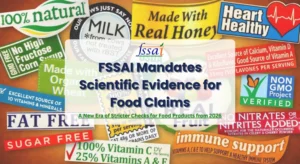
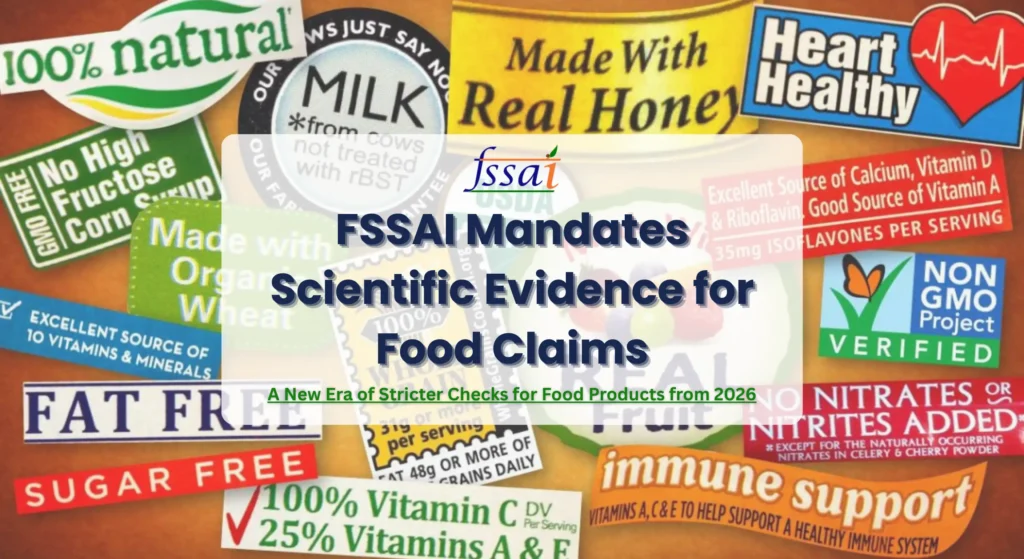
India’s food regulatory landscape is undergoing a significant shift as the Food Safety and Standards Authority of India (FSSAI) introduces stricter evidence requirements for food products beginning January 1, 2026. Under the revised rules, companies launching new food products or seeking to modify existing product standards will have to support every safety, health or nutritional claim with scientific evidence. This policy represents a deliberate move from relying on industry assurances toward a science-based, data-driven regulatory framework. The Times of India+1
This shift is expected to transform how food businesses operate in India, increase compliance obligations, and strengthen consumer trust in food safety. For food manufacturers, the new requirements will elevate the importance of risk assessment, scientific documentation, and regulatory strategy. This article examines the implications of the new impact driven FSSAI rules and what food industry stakeholders need to know. www.ndtv.com
What the New Rule Requires
Effective January 1, 2026, FSSAI will require that any new food product introduced in India, or any request to review or change safety parameters of an existing product, must include robust scientific evidence. This submission must clearly justify every claim related to:
• Safety and toxicity profile
• Nutritional composition
• Health and functional benefits
• Consumption patterns specific to Indian diets
• Safe intake levels
• Allergen risks
• Long-term safety implications
These submissions will be reviewed by FSSAI’s Science and Standards Division and may be evaluated by independent expert committees. Depending on the outcome, FSSAI may approve the application, place restrictions, or require tighter safety thresholds before market approval is granted. www.ndtv.com
FSSAI has also announced that all data submitted for scientific risk assessment will remain confidential and will be used strictly for evaluation and regulatory decisions. Deccan Herald
Why the Shift Matters
1. Scientific Evidence Replaces Promises
Previously, many approvals and standard reviews were influenced by corporate assurances or limited compliance checks. The updated approach mandates documented proof, shifting responsibility for safety claims squarely onto the manufacturer. This elevates accountability while reducing ambiguity during reviews. Facebook
2. India-Specific Dietary Patterns
One of the standout features of the new rule is the emphasis on Indian consumption patterns. FSSAI acknowledges that global safety studies may not accurately reflect portion sizes, dietary habits, or sensitivities unique to Indian populations. This means manufacturers must include regionally relevant data related to real-world consumption. www.ndtv.com
3. Enhanced Consumer Protection
By ensuring that safety claims are backed by traceable scientific evidence, FSSAI aims to enhance consumer confidence and protect public health, especially as processed and packaged foods continue to grow in popularity. The Times of India
What Food Businesses Must Prepare
The new requirements introduce a sophisticated scientific compliance framework for food businesses preparing for FSSAI submission procedures. Key preparatory steps include:
1. Product-Specific Scientific Evidence
Prepare detailed data on toxicity, metabolic effects, bioavailability, safety margins, and interaction with diets.
2. Nutritional Analysis
Accurate, validated data on composition, micro- and macronutrients, and functional ingredients.
3. Consumption Pattern Documentation
Studies or surveys that demonstrate typical consumption and portion sizes relevant to Indian demographics.
4. Allergen Risk Assessments
Identification and documentation of potential allergen risks with scientifically validated thresholds.
5. Toxicology and Safety Studies
Supportive toxicological data from accredited testing laboratories, ideally aligned with Indian exposure levels.
6. Risk Assessment Reports
Structured reports demonstrating hazard identification, mitigation plans, and safe usage conditions.
This approach aligns with global food safety risk assessment methodologies and significantly strengthens regulatory rigor. www.ndtv.com
Implications for Food Safety and Innovation
Higher Compliance Costs
Gathering scientific evidence, conducting risk assessments, and preparing comprehensive safety documentation will increase upfront compliance and development costs for food businesses.
Longer Product Launch Timelines
Scientific reviews and expert evaluation panels require time, potentially lengthening approval cycles. Developers and manufacturers will need to factor this into product launch plans.
Strengthened Risk Management
A more structured, evidence-based review will help companies identify weak points in safety claims early, leading to more robust internal food safety management systems.
Competitive Advantage
Companies investing in strong scientific backing and compliance readiness will differentiate themselves in both domestic and export markets, where similar evidence-led policies are increasingly the norm.
Regulatory Alignment with Global Trends
The FSSAI’s new framework brings India in closer alignment with global regulatory models seen in major markets such as the United States, the European Union, and Japan, where claim substantiation is tightly regulated and demand for scientific proof is standard practice. Facebook
For example, regulatory authorities such as the U.S. Food and Drug Administration (FDA) and European Food Safety Authority (EFSA) require that health and nutritional claims are supported by validated scientific data before they may be used on labels or in marketing. India’s shift reflects a maturation of its food regulatory ecosystem.
Sector-Specific Considerations
Functional Foods and Nutraceuticals
This category will likely face the most scrutiny, since claims often relate to health benefits beyond basic nutrition. Data on mechanism of action and safety thresholds will be foundational.
Health and Wellness Products
Products marketed for immunity, digestion, and metabolic benefits must now demonstrate scientifically measured effects.
Novel Ingredients and Fortified Foods
New ingredients, fortified products, or foods with bioactive compounds need rigorous evidence to justify claims tied to public health.
What Food Safety Consultants Should Advise Clients
For food safety consultants and compliance teams, the new rules reinforce the need for a comprehensive, science-led strategy.
Align Documentation With Scientific Standards
Ensure all safety and health claims are supported by validated, peer-reviewed evidence or accredited laboratory data.
Build an Evidence Repository
Maintain a central evidence repository with raw data, testing reports, consumption studies, and analytical results.
Engage Accreditation Labs Early
Work with accredited laboratories (e.g., NABL accredited labs) for analysis and toxicology studies prior to submission.
Integrate Evidence in FSMS
Incorporate scientific evidence requirements into your Food Safety Management System (FSMS) manuals, SOPs, and internal audit plans.
Plan for Continuous Review
Regulatory expectations will continue evolving. A proactive approach to evidence management can help food businesses stay ahead.

Conclusion
The introduction of mandatory scientific evidence for food claim substantiation by FSSAI marks a transformative period for India’s food industry. The new rule ensures that products entering the market meet high standards of safety, transparency, and evidence-based validation rather than reliance on assurances.
Food businesses must prepare for deeper scientific scrutiny, longer review timelines, and comprehensive documentation as part of compliance strategy. In return, consumers benefit from greater confidence in the safety and clarity of food products available in the Indian market.
Call to Action
If your organization is preparing to launch new food products or revise existing formulations under the updated FSSAI guidelines, expert consulting support can significantly strengthen your compliance readiness.
Emaza Services offers tailored support in scientific evidence preparation, regulatory submissions, risk assessment documentation, and food safety management system alignment to help you meet the new 2026 requirements with confidence.
Sources
• FSSAI mandates scientific evidence for new product claims from 2026. The Times of India+1
• New scientific evidence requirements designed to improve consumer protection and risk assessment. www.ndtv.com